Mechanical Cycle of refrigerator
Refrigerator Mechanical Cycle
A refrigerator is a vital appliance in modern households, designed to preserve food and perishable items by maintaining a low temperature within its compartments. The operation of a refrigerator relies on a continuous mechanical cycle known as the refrigeration cycle. This cycle involves the circulation of a refrigerant through various components of the refrigerator to transfer heat from inside the compartments to the external environment.
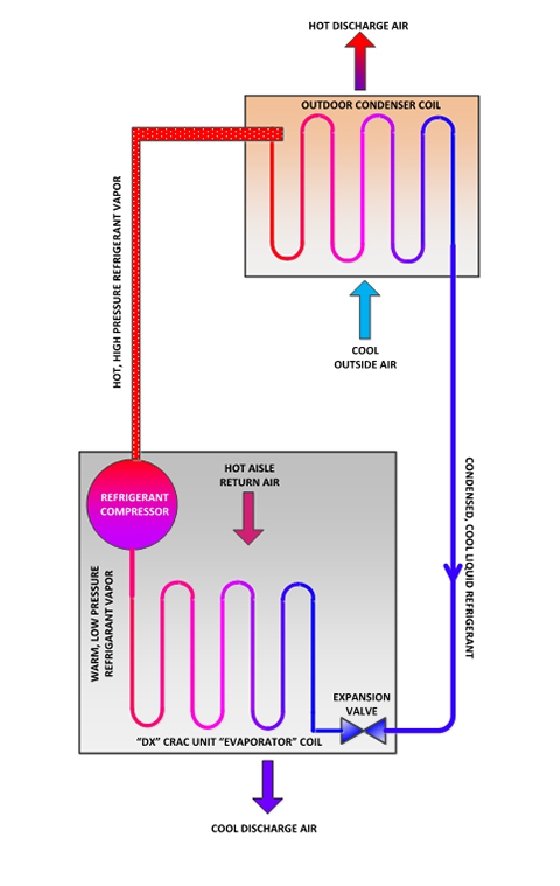
1. Compression: The cycle begins with a compressor, which compresses the refrigerant gas, increasing its pressure and temperature. This high-pressure gas is then pumped into the condenser coils.
2. Condensation: In the condenser coils, the high-pressure gas releases heat to the surrounding environment, causing it to condense into a liquid state. As the refrigerant loses heat, it cools down and changes into a high-pressure liquid.
3. Expansion: The high-pressure liquid refrigerant passes through an expansion valve or capillary tube, where its pressure rapidly drops. This sudden decrease in pressure causes the refrigerant to expand and cool significantly.
4. Evaporation: The cold refrigerant enters the evaporator coils located inside the refrigerator compartments. Here, it absorbs heat from the interior, causing it to evaporate into a low-pressure gas. This absorption of heat cools the interior compartments, maintaining a low temperature to preserve food.
5. Return to Compression: The low-pressure gas returns to the compressor to restart the cycle. This continuous cycle of compression, condensation, expansion, and evaporation ensures the efficient cooling of the refrigerator while keeping the interior compartments at the desired temperature.
Understanding the mechanical cycle of a refrigerator provides insight into its functionality and the importance of each component in maintaining optimal cooling performance.


Comments
Post a Comment